Between the Shelves: Uncovering Hidden Archives in UK Public Libraries

Join us as we explore Hidden Archives and Local History Hunts in UK Public Libraries, uncovering overlooked maps, photographs, and clipped memories that sleep in quiet boxes. Learn how to ask the right questions, trace family addresses, decode catalog clues, and transform patient visits into discoveries that reconnect streets, names, and landmarks with living memory across towns and cities.

Preparing for a Productive Hunt

Great discoveries begin long before you reach the reading room. Clarifying a research question, checking council repositories, and noting variant street names can prevent dead ends. A quick phone call with a librarian, combined with pre-reading local histories, shapes expectations, reveals access restrictions, and turns scattered curiosity into a clear, workable plan with measurable steps.

Reading Rooms, Rules, and Etiquette

Respect for procedures keeps fragile materials available for everyone. Learn registration processes, locker rules, and photography policies before arrival. Careful handling, stable posture, and slow page turns protect bindings and ephemera. Ask before rearranging folders. Staff notice careful researchers, and trust earned today can unlock pointers, shortcuts, and informal advice on your next visit.

Registration and Reader Cards

Some libraries issue special cards for local studies or archives. Bring photo identification, proof of address, and a clear explanation of what you hope to consult. Registration is usually quick, but preparation avoids delays. Keep card details handy, note expiry dates, and remember that some materials remain on-site only with supervised access and timed sessions.

Handling Fragile Materials with Confidence

Support spines with book cushions, use weight snakes sparingly, and never lean elbows on pages. Gloves are rarely needed for paper, but clean, dry hands are essential. Turn pages by corners, not edges. If a document feels precarious, pause and ask staff. Safety-first handling earns goodwill and ensures these delicate witnesses continue telling their stories tomorrow.

Note-Taking Without Disruption

Write call numbers and folder names before content notes to preserve provenance. Keep silent, avoid speakerphone dictation, and mute devices. Photograph title pages and citation details when allowed. If ideas spark loudly in your head, briefly step outside to jot reflections. Discipline reduces errors and lets collective quiet focus benefit every reader sharing the room.

Untapped Sources: Maps, Pamphlets, and Ephemera
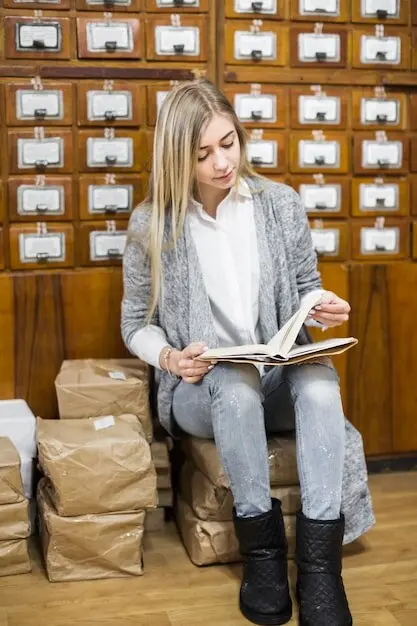
Many adventures start in unassuming boxes: folded street maps, church fête leaflets, rate books, and handwritten indexes. These sources fix people to places and reveal vanished shops or factories. Comparing editions across decades helps track boundary changes, housing developments, and wartime damage, while marginal notes from unknown hands whisper overlooked details waiting for attentive eyes.

People Power: Librarians, Volunteers, and Oral Histories

Behind every box number stands patient expertise. Librarians and volunteers carry mental maps that no catalogue fully captures. Respect their time, share interim findings, and ask for one suggestion rather than ten. Meanwhile, pairing documents with living memories gives dates a heartbeat, turning faded invoices and pencilled margins into stories neighbours recognise and proudly pass onward.

Digital Bridges: Catalogues, Tools, and Open Data
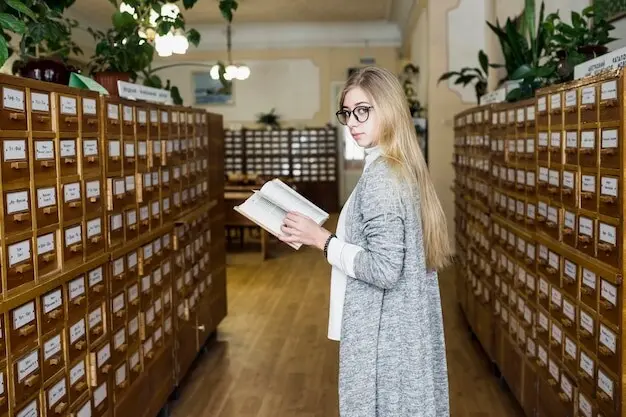
The search does not end at the reading desk. National portals, digitised newspapers, and council datasets can confirm a street renumbering or a market’s relocation. Export citations, snapshot web pages, and mirror metadata into backups. Thoughtful digital habits keep insights retrievable, while ethical sharing acknowledges creators and strengthens the networks sustaining public knowledge today.

Crafting a Compelling Local Timeline

Anchor your account with dated milestones: shop openings, street renamings, school extensions, cinema closures. Interleave broader events, like wartime evacuations or new bypasses, to contextualise household moves. Keep citations close to claims. A tidy, chronological spine supports digressions without confusion, letting readers step confidently from one doorway to the next through decades of change.

Visualising Places with Maps and Photos

Pair old street plans with contemporary photographs to reveal continuity and loss. Use arrows or transparent overlays to align corners, kerbs, and chimneys. Caption with precise addresses and dates. Avoid nostalgia traps by highlighting everyday resilience: repaired shopfronts, replanted trees, stubborn bus stops. Such grounded imagery invites readers to explore and respectfully add their memories.
Pentozunotarinarikavizori
Privacy Overview

This website uses cookies so that we can provide you with the best user experience possible. Cookie information is stored in your browser and performs functions such as recognising you when you return to our website and helping our team to understand which sections of the website you find most interesting and useful.